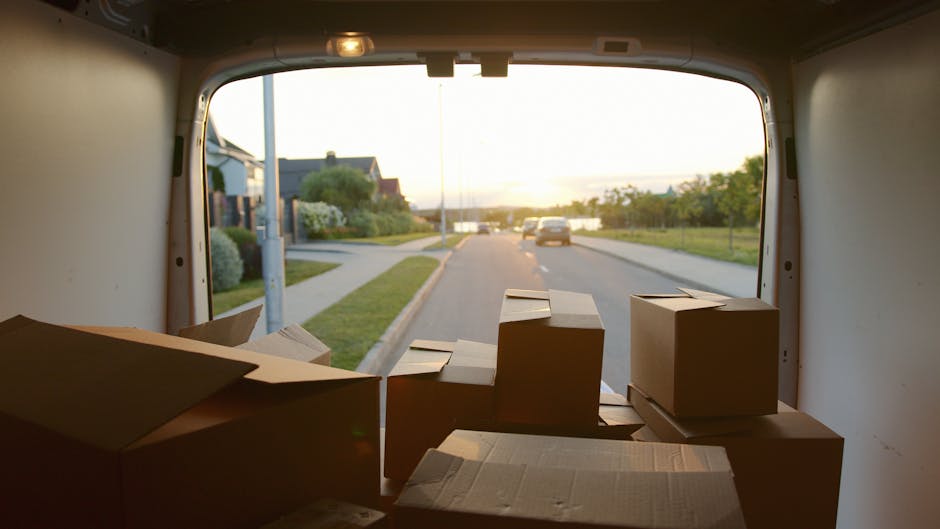
Southwark Council Permits for Dulwich Moving Vans Explained
If you are moving in Dulwich, the parking side of the job can be just as stressful as the packing. A van that cannot stop close to the property turns a simple move into a long carry, extra cost, and a lot of faffing about on the pavement. That is why Southwark Council permits for Dulwich moving vans explained is such a practical topic: it helps you understand when a permit may be needed, what it is for, and how to avoid the classic moving-day headache of finding nowhere legal to park.
Truth be told, most moving delays are not caused by boxes. They happen because the vehicle access was not planned properly. This guide breaks the process down in plain English, so you can move with fewer surprises, fewer arguments with the neighbours, and a much better chance of keeping the day on track.
Table of Contents
- Why Southwark Council Permits for Dulwich Moving Vans Explained Matters
- How Southwark Council Permits for Dulwich Moving Vans Explained Works
- Key Benefits and Practical Advantages
- Who This Is For and When It Makes Sense
- Step-by-Step Guidance
- Expert Tips for Better Results
- Common Mistakes to Avoid
- Tools, Resources and Recommendations
- Law, Compliance, Standards, or Best Practice
- Options, Methods, or Comparison Table
- Case Study or Real-World Example
- Practical Checklist
- Conclusion
- Frequently Asked Questions
Why Southwark Council Permits for Dulwich Moving Vans Explained Matters
Parking in Dulwich can be tight, especially on narrower residential roads, streets with controlled parking, and areas where a van can easily block access if it is left in the wrong place. For a house move, office relocation, or even a smaller furniture pick-up, the difference between "we can stop outside" and "we have to park two streets away" is enormous.
A permit is not just paperwork. It is the thing that helps your moving van operate legally and, in many cases, more efficiently. If a vehicle is parked without the right permission, the move can be interrupted by penalties, objections, or the awkward sight of your removals team trying to work around an enforcement issue. Nobody wants that, especially first thing on a rainy Tuesday morning when the kettle is already on and the sofa is somehow halfway out the door.
In local moving work, permit planning matters for three main reasons:
- Access: the van needs to get as close as possible to reduce carrying time and damage risk.
- Compliance: local parking controls may apply even if the stop is brief.
- Timing: permit requirements can affect when the van can park, load, unload, or wait.
It also helps protect your neighbours and the street. A properly planned move is usually quieter, quicker, and less disruptive. In a place like Dulwich, where people value a calm road and not having a vehicle idling outside all afternoon, that goes a long way.
If you are arranging a residential move, the broader logistics matter too. Many people combine permit planning with home moves support, or with a more hands-on man and van service when the job is smaller and access is fairly straightforward. Either way, the parking question comes first. It always does.
How Southwark Council Permits for Dulwich Moving Vans Explained Works
The exact rules can vary depending on the road, the type of vehicle, the time of day, and whether the street is under parking control. So the safest way to think about it is this: if a moving van needs to stop, load, unload, wait, or stand in a restricted bay or controlled area, a permit or temporary parking arrangement may be required.
That does not automatically mean every move needs a special permit. Some streets may allow short loading in unrestricted areas, while others are much stricter. The key is to check the location early, not on the morning of the move when everyone is already carrying a wardrobe down the stairs. Let's face it, that is when mistakes happen.
In practical terms, permit planning usually involves:
- Checking the property's road layout and parking restrictions.
- Identifying whether the van can legally stop close to the entrance.
- Confirming whether loading or unloading is allowed at the planned time.
- Allowing enough room for the vehicle to park safely without blocking traffic.
- Making sure the moving team understands where to stop and for how long.
For larger vehicles such as a moving truck or removal truck hire, this becomes even more important. Bigger vehicles are harder to manoeuvre, and a poor parking plan can waste time very quickly. If you are dealing with a commercial relocation, it can also help to review commercial moves or office relocation services so the logistics match the scale of the job.
One thing people often miss: a parking permit is only part of the picture. Access, bay length, loading distance, and turning space all matter. A permit might allow the van to be there, but that does not mean the van can physically fit in the space without causing trouble. There is a difference, and it matters.
Key Benefits and Practical Advantages
Planning permits properly may feel like admin, but the payoff is real. In moving work, small decisions have big knock-on effects. If the van is parked well, the whole day tends to feel calmer. If it is parked badly, everything becomes harder.
Here are the practical advantages most people notice:
- Shorter carrying distances: fewer steps between the vehicle and the front door mean less time, less strain, and less chance of damage.
- Lower stress: you are not trying to solve parking problems while the clock is running.
- Reduced risk of fines or complaints: a permit-aware move is much less likely to run into enforcement issues.
- Better coordination: the removals team can plan the load sequence and arrival time more confidently.
- Safer handling: heavy items are easier to move when the route is short and clear.
There is also a customer-experience benefit that gets overlooked. When a move starts smoothly, people feel more in control. That matters. A move is already a disruptive day, and a little certainty goes a long way. Even a simple job like a furniture collection can feel different when the van is waiting legally and sensibly instead of circling the block.
If you are comparing service levels, you may also find useful differences between a standard man with van option and a more full-service move. The right setup depends on how much furniture you have, how far it needs to travel, and how complicated the parking situation is. In tight streets, the simplest vehicle is not always the best one. Sometimes it is, sometimes not. That is the honest answer.
Who This Is For and When It Makes Sense
This topic is relevant to anyone moving in Dulwich, but some situations really benefit from extra parking planning.
Home movers
If you are moving a full household, especially with bulky furniture or multiple trips, the van will need reliable access. Families moving from a terraced house, flat, or converted property often discover the road space is tighter than expected once the vehicle arrives.
Flat moves and shared buildings
Flats can be tricky because entrance points, stairwells, loading areas, and timed parking restrictions all interact. A permit or agreed parking plan can prevent delays when the lift is small, the corridor is narrow, and the box pile is already growing in the hallway.
Office and commercial relocations
Businesses often need precise timing, especially if the move has to happen before opening hours or outside peak traffic. For these jobs, parking is not a side issue; it is part of the project plan. Teams arranging office relocation services usually think about vehicle access very early because downtime costs money and staff patience.
Single-item or furniture collections
Even small collections can need parking planning if the item is heavy or awkward. A sofa, wardrobe, piano bench, or dining table can turn into a mini logistics puzzle if the van cannot stop near the entrance. If you are arranging a one-off collection, furniture pick-up is the kind of service that benefits from this kind of forethought.
Anyone moving on a busy street
If your street has limited waiting space, active loading restrictions, or heavy daytime parking demand, you should assume access needs checking. That is not overcautious. It is sensible. The people who skip this step are usually the ones standing outside with a mattress wondering where things went wrong.
Step-by-Step Guidance
Here is a practical way to approach Southwark Council permits for a Dulwich van move without turning it into a headache.
- Confirm the move date and property access. Before anything else, note the arrival window, the floor level, whether there is a lift, and how close the van should ideally park.
- Check the street conditions. Look at whether the road is narrow, already heavily parked, or marked with loading restrictions. A quick check in daylight often tells you a lot.
- Decide what size vehicle is actually needed. A compact van is easier to place than a larger truck, but it may require more trips. A bigger vehicle may be efficient, but only if the street allows it.
- Plan the loading point. Think about where the movers will stand, where trolleys will roll, and whether the van will block driveways, crossings, or corners.
- Allow for timing. If parking is only possible at certain hours, the moving slot should reflect that. Moving at the wrong time can create avoidable friction.
- Keep the team informed. The person organising the move should brief the drivers or movers clearly. A five-minute conversation can save half an hour of confusion.
- Prepare backup options. If the first parking spot is unavailable, have a second plan ready. A sensible backup point nearby can keep the day moving.
If the move is complex, it can be worth using a team that understands both transport and packing pressure. Services like packing and unpacking services can help reduce the time spent at the kerb, which matters more than people think.
One small but useful tip: take a photo of the parking area before moving day, especially if the bay markings are faint or the road is awkward. It sounds minor. It is not. Those little details can settle a lot of questions before they start.
Expert Tips for Better Results
After enough moves, a few patterns become obvious. The jobs that go smoothly are usually the ones where parking, access, and vehicle choice were handled early. No drama, just sensible planning.
- Measure the route from the van to the door. Even a short-looking walk can be a pain if there are steps, tight corners, or uneven paving.
- Choose the vehicle with the road in mind. Bigger is not always better. A slightly smaller vehicle can make the whole job easier if the street is unforgiving.
- Don't assume the same rules apply every day. Parking controls can differ by time and location. A street that works on Saturday may be a nightmare on Wednesday morning.
- Build in a buffer. Traffic, school runs, roadworks, and random delays happen. A little slack in the schedule makes life easier.
- Keep neighbours in mind. A polite heads-up can prevent complaints if the van is likely to be outside for a while.
In our experience, the people who plan the least usually lose the most time. It is rarely catastrophic, just messy, which is somehow worse because it feels avoidable. If you are hiring a larger vehicle, a dedicated moving truck or removal truck hire may be sensible, but only if the street can genuinely support it.
And a quick human note: if you are juggling keys, kettle packs, pets, and one very determined child asking where the charger went, do not also try to solve parking on the fly. That is how people end up swearing at laminated permit notes. Not ideal.
Common Mistakes to Avoid
Most moving problems are not mysterious. They come from a handful of very ordinary mistakes.
- Leaving parking checks until the morning of the move. By then, there is no room to think.
- Underestimating vehicle size. A vehicle that is too large for the street can delay the move before it starts.
- Ignoring loading restrictions. Being able to stop is not the same as being allowed to stop.
- Forgetting about access width. The van may fit on paper but still be awkward in real life.
- Assuming the driver will sort everything out. Good drivers help a lot, but the booking side still needs proper planning.
- Not checking the return journey. If the van needs to come back for a second load, the parking spot must still work later in the day.
A subtle one: people often think "it's only ten minutes". But ten minutes becomes twenty when you cannot park properly, and twenty becomes an argument, and then the whole rhythm goes off. Small mistake, big ripple effect.
Tools, Resources and Recommendations
You do not need fancy software to plan a move well. A few practical tools and habits will do most of the heavy lifting.
- A street photo: useful for checking bay markings, kerb space, and nearby obstructions.
- A written move plan: note arrival time, load sequence, and any access issues.
- A tape measure: handy for doorways, stair turns, and furniture clearance.
- A checklist on paper: phone batteries die at the worst possible moment, don't they?
- Clear communication with the moving team: confirm the parking point, access route, and who is meeting the vehicle.
If you want a more managed moving experience, you may want to combine parking planning with house removalists for the heavier lifting and to reduce the amount of time the van needs to stay outside. For smaller or simpler jobs, man and van arrangements can be a neat fit.
For full-service support, it also helps to understand the company behind the service. That is why some readers look at about us first, or reach out via contact us when they need a practical chat about their move rather than a generic sales pitch.
Law, Compliance, Standards, or Best Practice
This is the area where careful wording matters. Parking and permits are governed by local rules, and those rules can change depending on the street, the signage, the vehicle, and the time of day. So the safest approach is to treat every move as location-specific rather than assuming one borough rule applies everywhere.
Best practice in moving work usually includes:
- Checking local parking restrictions in advance.
- Making sure the vehicle parks legally and safely.
- Avoiding obstruction of driveways, crossings, junctions, and pedestrian routes.
- Planning for loading and unloading rather than just parking.
- Respecting neighbours, residents, and any building access rules.
There is also a broader duty of care in the way items are handled. Safe carrying, secure loading, and sensible use of trolleys or ramps all form part of a professional moving standard. If the job involves sensitive items, fragile furniture, or repeated trips, good practice becomes even more important.
For businesses, the standard is a bit stricter in spirit, if not always in writing. You are often coordinating staff, keys, landlords, deliveries, and downtime. In that setting, a parking issue can snowball. If you have ever heard an office team say "we thought the van would just fit", you will know how quickly optimism turns into logistics.
Options, Methods, or Comparison Table
Choosing the right moving setup depends on property access, load size, and how much parking flexibility you have. Here is a simple comparison to help.
| Option | Best for | Advantages | Watch-outs |
|---|---|---|---|
| Man and van | Smaller moves, single-item transport, lighter loads | Flexible, often easier to position, good for tighter streets | May need more trips for larger homes |
| Moving truck | Full household moves or larger volumes | Can carry more in one go, efficient for bigger jobs | Harder to park in narrow or restricted roads |
| Removal truck hire | Moves needing dedicated vehicle capacity | Useful for structured moving plans and heavier loads | Requires stronger access and parking planning |
| House removalists | Full-service home moves | More support with loading, carrying, and coordination | Still needs good site access and parking clarity |
There is no single right answer. If your road is awkward, a smaller vehicle with a smart loading plan may beat a larger one every time. If you have a bigger property with decent access, the larger vehicle may save hours. The best choice is the one that fits the street, not just the inventory list.
Case Study or Real-World Example
Picture a fairly typical Dulwich move: a two-bedroom flat with a couple of wardrobes, a sofa, a dining table, and the usual mountain of boxes that somehow multiplies overnight. The property is on a residential street where parking is usually available, but not always close to the entrance.
The first version of the plan was simple: send a larger van, park wherever space appears, and hope for the best. That would probably have worked, eventually, but with a lot of carrying distance and a decent chance of delay. Instead, the move was planned around the street conditions. The team chose a vehicle size that matched the access, confirmed where loading made sense, and kept the route from van to door as short as possible.
The result was not glamorous. No one was celebrating parking strategy over tea. But it did mean the move stayed on schedule, the furniture was easier to handle, and the household was not stuck standing outside while someone went hunting for a better bay. That kind of quiet success is the real win.
For a business relocation, the same principle applies. The difference is that the pressure is higher because staff, IT equipment, and downtime all come into play. That is where commercial moves planning makes sense, because the parking question is only one part of a wider move plan.
Practical Checklist
Use this before moving day. It keeps things simple.
- Confirm the moving date and arrival window.
- Check whether the street has parking restrictions or loading controls.
- Decide if the vehicle type suits the road and the volume.
- Measure the carrying distance from parking point to property entrance.
- Identify any steps, narrow paths, low walls, or tight corners.
- Confirm whether a permit or temporary parking arrangement is needed.
- Notify the moving team of access details.
- Prepare a backup parking plan nearby.
- Keep keys, contact numbers, and instructions easy to reach.
- Use packing help if it will reduce time at the kerb.
One last practical point: if you are moving a mixture of bulky furniture and smaller boxes, it can help to separate the items needing special handling from the rest. That way, the loading order is obvious and the team does not have to stop and ask what the mystery box of cables is doing in the hallway.
Get a free quote today and see how much you can save.
Conclusion
Southwark Council permits for Dulwich moving vans explained is really about making a local move feel manageable. Once you understand the parking picture, the whole day becomes easier to plan. You reduce stress, avoid awkward delays, and give the moving team a proper chance to work efficiently.
The best moves are rarely the fanciest. They are the ones where the street is checked, the vehicle is chosen carefully, and the team knows exactly where to stop. Simple, yes. But simple is often what saves the day.
If you are preparing for a move in Dulwich, take the parking side seriously and the rest tends to fall into place. Not perfectly, maybe. But well enough to keep your energy for the real task: settling in and making the new place feel like home.
Frequently Asked Questions
Do I always need a permit for a moving van in Dulwich?
Not always. It depends on the street, the parking restrictions, the time of day, and whether the vehicle will be loading, unloading, or waiting. Some locations are more flexible than others.
How far in advance should I check parking arrangements?
As early as you can. A few days ahead is better than the morning of the move, and earlier still is ideal if the street is busy or the vehicle is large.
What happens if the van cannot park near my property?
The move usually takes longer because items must be carried farther. That increases effort, can create delays, and may make bulky furniture more awkward to handle.
Is a small van easier than a large truck for Dulwich streets?
Often, yes, because a smaller van is easier to position on tighter roads. But if you have a full household, a larger vehicle may still be more efficient overall. It depends on the job.
Can a removals team sort the parking issue for me?
Some teams can help advise, but you should still confirm the access details yourself. Clear communication matters because the person booking the move often knows the property best.
What if I am only moving one or two items?
Even small moves can need careful parking if the items are heavy or the road is restricted. A furniture collection or small man and van job still benefits from checking the access route.
Are office moves treated differently from home moves?
They can be, mainly because timing, building access, and business disruption matter more. Commercial moves often need tighter coordination and a clearer plan for parking and unloading.
What is the biggest mistake people make?
Leaving the parking question too late. That one choice causes a surprising number of problems, from delays to extra carrying and avoidable stress.
Should I choose a packing service as well?
If you want the move to finish faster at the kerb, yes, it can help. Efficient packing and unpacking means less time spent with the van outside and fewer last-minute scrambles.
How do I know if my road is too tight for a removal truck?
If the road already feels narrow with normal traffic, or if cars are parked tightly on both sides, that is usually a warning sign. It is better to assess access carefully than to discover the problem when the truck arrives.
Where should I start if I still feel unsure?
Start with the property access, then think about vehicle size, parking restrictions, and loading time. If you want a more hands-on conversation about the move, the team behind the service can usually help you work through the practical details.