Narrow Victorian Stairs in West Dulwich? Moving Solutions
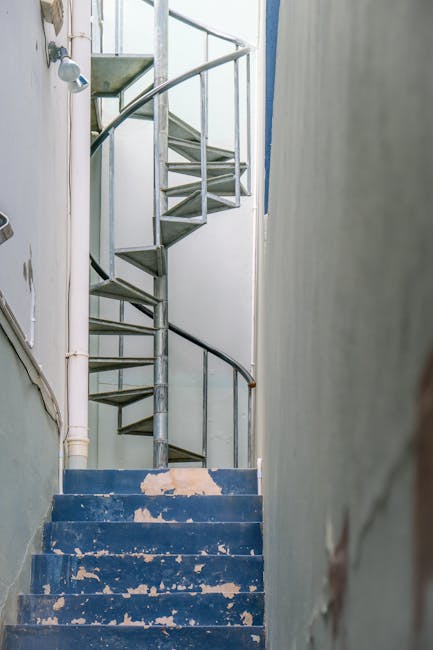
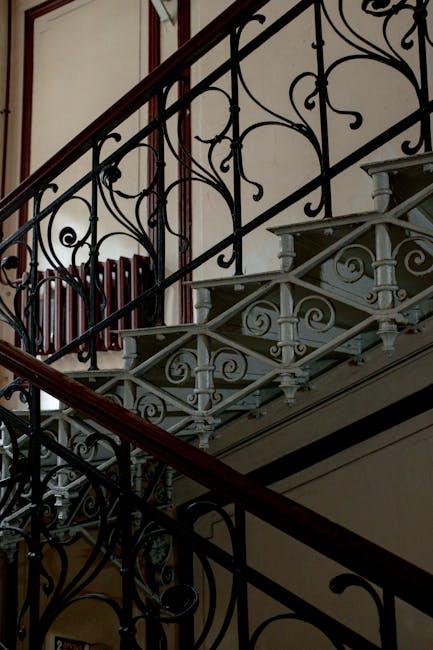
Moving through a Victorian home in West Dulwich can feel a bit like solving a puzzle before the kettle's even boiled. The staircase looks lovely, yes, with its old timber rails and compact turns, but once a sofa, mattress, or wardrobe is involved, that charm quickly becomes a challenge. If you are dealing with narrow Victorian stairs in West Dulwich, the right moving solutions are less about brute force and more about planning, protection, and smart handling.
This guide breaks down what actually works, why these staircases create so many moving headaches, and how to approach the job without damaging the property, the furniture, or your nerves. You'll also find practical steps, common mistakes, and a clear checklist you can use before moving day. If you want to understand the process properly before making a decision, start here, then explore more about the team behind the service on the about us page and the wider Storage Dulwich homepage.
Truth be told, older homes are full of character and awkward angles. That's the trade-off. The good news? With the right approach, even a tight staircase can be managed safely and efficiently.
Table of Contents
- Why Narrow Victorian Stairs in West Dulwich? Moving Solutions Matters
- How Narrow Victorian Stairs in West Dulwich? Moving Solutions Works
- Key Benefits and Practical Advantages
- Who This Is For and When It Makes Sense
- Step-by-Step Guidance
- Expert Tips for Better Results
- Common Mistakes to Avoid
- Tools, Resources and Recommendations
- Law, Compliance, Standards, or Best Practice
- Options, Methods, or Comparison Table
- Case Study or Real-World Example
- Practical Checklist
- Conclusion
- Frequently Asked Questions
Why Narrow Victorian Stairs in West Dulwich? Moving Solutions Matters
Narrow Victorian staircases are more than just a design feature. They affect every part of the move: how items are measured, how many people are needed, what needs dismantling, and whether certain pieces can be carried upstairs at all. In West Dulwich, many homes have those traditional stair runs, modest landings, and turns that look manageable until you put a fridge or an armchair against them. Then, well, the reality is a little less elegant.
Why does this matter so much? Because most moving damage happens at the points of tight contact: wall corners, bannisters, stair edges, and door frames. A well-prepared move reduces friction in every sense. It protects the property, limits lifting strain, and saves time on the day. It also lowers the risk of getting halfway up the stairs and discovering the item simply will not turn. That moment is not fun. Not even slightly.
For people moving into or out of period properties, the challenge is often not the volume of belongings but the geometry of the building. Narrow treads, steep rises, low ceilings on landings, and awkward bends can all change the plan. A successful move depends on recognising these details early rather than trying to improvise on the spot.
Expert summary: The best moving solution for narrow Victorian stairs is rarely the strongest lift or the fastest push. It is the one that balances measurement, protection, timing, and the right handling method for each item.
That is the heart of it. Measure first, move second.
How Narrow Victorian Stairs in West Dulwich? Moving Solutions Works
A good moving process for a Victorian staircase starts well before the van arrives. The work is usually divided into a few simple stages: assess, plan, protect, move, and check. Each stage matters because old houses tend to punish assumptions. You think a wardrobe will pivot at the landing, and it catches on the banister. You think the mattress will fold a little, and it won't. Small surprises become big ones very quickly.
1. Assess the staircase and the furniture
The first step is measurement. Not rough guesswork. Actual numbers. Measure stair width, ceiling height at the landing, the tightest corner, and the largest furniture dimensions. If something has detachable legs, handles, or doors, note that too. In a Victorian property, one hidden obstacle can undo the whole plan.
2. Decide what should be dismantled
Some items move better in parts. Wardrobes, bed frames, dining tables, and some desks are often safer when partially dismantled. That does not mean every item should be stripped apart. The goal is to reduce awkward bulk without creating a bigger assembly job later. A sensible mover will decide item by item, not by habit.
3. Protect the property
Wall corners, bannisters, banister spindles, paintwork, and stair nosings should be protected before any lifting begins. Thick blankets, corner guards, and floor runners can make a huge difference. It sounds simple, but when you're carrying a heavy chest of drawers around a tight turn, simple becomes essential.
4. Choose the route and sequence
The order of movement matters. Sometimes the largest object must go first while the stairs are clear. Other times, the safer method is to move smaller items first and save the bulky pieces for a dedicated slot when more space is available. There is no universal trick here. The right sequence depends on the house, the item, and the people lifting.
5. Move slowly and communicate clearly
Communication is a huge part of safe moving. One person guides from the bottom, another from the top, and both need to move as one unit. Short instructions work best. "Pause." "Tilt left." "Higher." No long speeches, no guessing, no last-second jokes while carrying a wardrobe. Let's face it, the wardrobe won't appreciate the comedy.
6. Inspect after the move
Once the item is in place, check for scuffs, movement, and any loosened fittings. A quick inspection catches small issues before they become annoying ones. This is especially useful in rented properties or when moving into homes with freshly painted walls.
Key Benefits and Practical Advantages
There are a few obvious benefits to using proper moving solutions for narrow Victorian stairs, but the practical advantages run deeper than most people expect.
- Less risk of damage: Stair rails, plasterwork, door frames, and furniture edges are all better protected.
- Less strain on the body: Careful planning reduces awkward lifting and twisting.
- Faster decision-making: Knowing in advance what fits means fewer delays on moving day.
- Better use of space: With narrow stairs, timing and order matter almost as much as strength.
- Reduced stress: You are not trying to solve a geometry problem while sweating up a staircase.
There is also a quieter benefit: confidence. When you know the furniture has been measured, protected, and thought through, the whole day feels more manageable. That calm matters. It affects everyone, from the person carrying the mattress to the person standing at the top wondering whether the sofa will ever make the turn. In our experience, calmer moves are usually safer moves.
Another advantage is that a smart approach can save money in indirect ways. Fewer failed attempts, fewer repairs, fewer replacement parts, fewer wasted hours. You may not see that benefit on the first five minutes of the day, but it's there.
Who This Is For and When It Makes Sense
This kind of moving support is ideal for anyone dealing with period housing, split-level layouts, or homes with a staircase that looks like it was designed for smaller furniture and slimmer coats. In West Dulwich, that includes many homeowners, tenants, landlords, and people moving family pieces into upstairs bedrooms.
It makes particular sense if you are moving:
- large sofas, corner units, or armchairs
- wardrobes, ottoman beds, or heavy bed bases
- white goods such as washing machines or fridge-freezers
- pianos, mirrors, and fragile items
- boxes that are heavy enough to become awkward on a turn
It also makes sense if you are short on helpers. A staircase that feels merely fiddly with three people can become very awkward with only one. That is where planning becomes less of a nice idea and more of a necessity.
If you are comparing providers or trying to understand what kind of support is available, it can help to look at the company's general approach and service values first. A page like about us can tell you a lot about how they work, while contact us is the natural next step when you want to ask specific questions about access, timing, or storage support.
And sometimes, to be fair, the best move is not to move everything immediately. Storing a few items temporarily can make a cramped staircase far easier to manage.
Step-by-Step Guidance
If you want a practical framework, use this one. It works well for narrow Victorian stairs because it puts order before effort.
Step 1: Walk the route with a tape measure
Measure the stair width, the landing depth, door openings, and the largest item's dimensions. Don't forget the diagonal measurement of bulky furniture. That one catches people out all the time.
Step 2: Identify pinch points
Look for places where the staircase narrows, where ceilings dip, or where the railing steals precious centimetres. Even a tiny bulge in a wall can change the angle needed to turn an item.
Step 3: Sort items by difficulty
Not everything needs the same strategy. Put items into three groups: straightforward, awkward, and likely to require dismantling. This keeps the day organised instead of chaotic.
Step 4: Prepare protective materials
Use blankets, wraps, tape that will not damage surfaces, and floor protection. If you are moving into a property with fresh decoration, this becomes even more important. One careless scrape and suddenly the mood changes.
Step 5: Dismantle what is sensible
Take apart beds, remove shelves, unscrew handles, and strip down items where it genuinely helps. Keep screws and small fittings in labelled bags. Sounds obvious, but people still lose them. A lot.
Step 6: Assign roles
One person leads, one follows, and if needed, one manages obstacles. Everyone should know the plan before lifting begins. No improvising mid-stair unless you enjoy sudden silence and strained shoulders.
Step 7: Move with measured pauses
Pause at landings, adjust grip, and check angles before committing to the next step. This is where rushed moves usually go wrong. Slow is not lazy. Slow is sensible.
Step 8: Recheck the item after placement
Once upstairs, inspect the furniture, tighten fittings if needed, and confirm that doors or drawers open freely. A small adjustment now saves annoyance later.
Expert Tips for Better Results
There are a few habits that tend to separate smooth moves from stressful ones.
- Take photos before dismantling: Handy for reassembly, especially with wardrobes and bed frames.
- Use gloves with grip: Not fancy, just useful. Better grip means fewer slips.
- Protect the stair edges early: Don't wait until the first scratch happens.
- Keep the route clear: Shoes, bags, and random clutter become real hazards on narrow stairs.
- Lift with the item close to the body: It reduces strain and helps with control.
- Plan for the awkward piece first: If one item is likely to be difficult, deal with it while everyone is still fresh.
A small but valuable tip: check daylight conditions. Victorian staircases can be dim, especially on grey afternoons or in winter. A shadow on the landing can hide a corner or a step edge. Good lighting helps more than people think.
Also, if you are storing furniture temporarily, keep it dry, clean, and accessible. That way, you're not fighting dust and tangled fittings later. Future-you will be grateful. Quietly, but grateful.
Common Mistakes to Avoid
Most moving problems in narrow Victorian staircases are preventable. The trouble is, people often realise that after the sofa has already jammed at the turn. Here are the mistakes worth avoiding.
Assuming the furniture will "just squeeze through"
This is probably the most common one. A piece that seems close enough can still fail because of angle, hand position, or ceiling clearance. Close is not the same as workable.
Skipping measurements
If you don't measure, you are guessing. And guessing on a staircase is not a great hobby.
Forgetting about the landing
The landing is often the real problem, not the stair run. A piece may move well on the steps and then get stuck where the ceiling dips or the turn tightens.
Not protecting surfaces
Some people focus so much on lifting that they forget the walls. But walls are usually what show the damage first.
Using too few people
One person can manage some items. Two or three may be needed for larger or more awkward furniture. The right number depends on the job, not on how eager everyone feels at 8 a.m.
Rushing the final turn
That last turn is where confidence can turn into a scuff mark. Slow it down. Check the angle. Then move.
Tools, Resources and Recommendations
You do not need a van full of specialist kit to move safely through narrow Victorian stairs, but a few basic tools make the process much easier.
| Tool or Resource | Why It Helps | Best Used For |
|---|---|---|
| Measuring tape | Confirms whether items can fit through the route | Planning, pre-move checks |
| Furniture blankets | Protects surfaces from knocks and scratches | Tables, wardrobes, stair edges |
| Corner protectors | Reduces impact on paintwork and plaster | Tight turns and narrow hallways |
| Grip gloves | Improves handling and control | Heavy or smooth-surfaced items |
| Labelled bags for fittings | Keeps screws and fixings together | Disassembly and reassembly |
| Floor runners or mats | Protects floors from scuffs and dirt | Entryways and staircase routes |
One useful resource, especially if you are weighing up whether to move, store, or split the move into stages, is direct advice from the provider. A quick message through the contact us page is often the fastest way to get practical guidance about access, timing, and what kind of arrangement makes sense for your home.
If you are reading through the business basics before deciding, the site's terms and conditions and privacy policy can also be helpful for understanding how details are handled. Not glamorous, perhaps, but sensible.
Law, Compliance, Standards, or Best Practice
For most home moves, the main compliance concerns are practical rather than highly technical. The focus is on safe handling, reasonable care for property, and clear communication with whoever is carrying out the move. If a move involves employees, contractors, or shared access spaces, good working practice becomes even more important.
In plain English, the key expectations are:
- Use safe lifting methods: Avoid unnecessary twisting, overreaching, or carrying loads that are clearly too heavy for the space.
- Protect the property: Reasonable care matters in hallways, stairwells, and communal areas.
- Be clear about access: Stair width, parking, loading points, and timings should be discussed early.
- Respect building rules: If the property is part of a managed block or shared residence, follow the site's access arrangements.
It is also sensible to choose a provider that explains its process clearly and handles personal details appropriately. If you want reassurance on that side, reviewing the company's published policies and information pages is a good habit. A move is already busy enough without wondering who has your details or how the booking works.
There is no drama here. Just good practice, done properly.
Options, Methods, or Comparison Table
When moving through narrow Victorian stairs, there are usually a few possible approaches. The best one depends on item size, budget, time, and how much handling risk you are willing to accept.
| Method | Best For | Pros | Limitations |
|---|---|---|---|
| Careful manual carry | Standard boxes, lighter furniture | Low cost, flexible, simple | Not suitable for very bulky or fragile items |
| Partial dismantling | Beds, wardrobes, tables | Improves fit, reduces awkward angles | Needs tools and time for reassembly |
| Protected professional handling | Heavy, valuable, or awkward items | Better control, better protection, less strain | Usually costs more than doing it yourself |
| Split move with storage | Homes with limited space or staging needs | Reduces congestion, improves timing | Requires planning and an extra step |
In real life, many moves use a mix of these methods. A sofa may need protected handling, a bed frame may be dismantled, and boxes may be carried normally. That hybrid approach is often the smartest. It's not about choosing one perfect method. It's about matching the method to the item.
Case Study or Real-World Example
Imagine a couple moving into a Victorian terrace in West Dulwich on a damp Tuesday afternoon. The staircase is attractive but tight, with a turn halfway up and a landing that narrows under the ceiling line. They have a king-size bed frame, a wardrobe, a two-seat sofa, and a stack of boxes that all look harmless until the hallway gets busy.
On a first look, the wardrobe seems like the main issue. But once measured, it turns out the bed headboard is actually the trickiest item because of its height and awkward angle. The sofa, meanwhile, can fit if one arm is tilted and the route is protected. So the plan changes.
The bed frame is partly dismantled before arrival. The stairs are covered, corners protected, and the larger items are moved while the hallway is clear. The wardrobe goes up later, after the team has worked out the best pivot at the landing. Nothing rushed. Nothing heroic. Just steady, careful handling.
What makes this kind of move successful is not luck. It is the decision to stop assuming and start checking. That's the bit people often skip, and it's usually the bit that saves the day.
Small note: the couple later admits they had briefly thought about "just giving it a go" with the wardrobe fully assembled. In hindsight, that would have been... a bit optimistic.
Practical Checklist
Use this checklist before moving day. It keeps the process grounded and helps you catch the things people forget when they're in a hurry.
- Measure the staircase width, landings, and tight corners
- Measure the largest furniture items in full
- Check whether any items need dismantling
- Label screws, fittings, and removable parts
- Protect walls, bannisters, floors, and door frames
- Clear clutter from hallways and stairs
- Assign roles to each person helping
- Plan the order in which items will move
- Confirm access times and parking arrangements
- Check whether temporary storage might reduce pressure
- Inspect furniture and surfaces after the move
Quick takeaway: if the staircase is narrow and the furniture is bulky, the safest route is usually the one that involves a little more planning and a little less guessing.
Conclusion
Narrow Victorian stairs in West Dulwich are not a deal-breaker. They are just a feature that needs respect. With proper measurement, sensible dismantling, protection for the property, and a calm, step-by-step process, even awkward items can usually be moved safely.
The real win is not only getting the item upstairs. It is getting it there without damage, without panic, and without turning a beautiful old staircase into a repair job. That's what good moving solutions are for: making a difficult space feel manageable again.
If you are still weighing up your options, it's worth looking at the company background on the about us page or getting in touch through the contact us page for practical guidance. A few clear answers early on can save a lot of trouble later.
Get a free quote today and see how much you can save.
And if you are standing in a hallway wondering how on earth the wardrobe is going to make that turn, take a breath. There is usually a way through. Maybe not the obvious way, but a good one.
Frequently Asked Questions
What makes narrow Victorian stairs so difficult for moving furniture?
They often combine limited width, steep steps, tight turns, and low landing clearance. That mix makes bulky furniture harder to angle, lift, and control safely.
Can a sofa usually fit up narrow Victorian stairs?
Sometimes yes, but it depends on the sofa's length, depth, and arm shape, plus the staircase geometry. Measuring both the item and the route is the only reliable way to know.
Do I need to dismantle furniture before moving it upstairs?
Not always, but dismantling often helps with wardrobes, beds, tables, and other oversized pieces. If a fitting or leg can be removed safely, it can make the move far easier.
How do I know if my staircase is too narrow for a particular item?
Measure the narrowest point on the stairs, the landing, and the item's widest dimensions. If the turning space looks tight on paper, it will likely feel tighter in real life.
Is it safer to move heavy furniture in the morning or later in the day?
Often earlier is better because everyone is fresher and the day is less likely to be disrupted. But the safest timing really depends on access, parking, and how much time you need for preparation.
What should be protected during a move through Victorian stairs?
Walls, bannisters, stair edges, floors, and door frames are the usual trouble spots. Protecting them before lifting starts is much easier than repairing scratches afterwards.
Should I use storage if my staircase is too awkward?
Yes, sometimes split moves and temporary storage are the smartest option. They can reduce clutter, give you more time, and make handling bulky items much simpler.
What are the most common mistakes people make on narrow stairs?
The biggest ones are failing to measure, not protecting surfaces, using too few helpers, and trying to force items around a turn that is simply too tight.
How long does it usually take to move furniture up narrow Victorian stairs?
There is no single answer. A light item may take only a few minutes, while a bulky or dismantled piece can take much longer because of preparation, repositioning, and care at tight corners.
What kind of moving support is best for period properties in West Dulwich?
The best support is usually a mix of planning, careful handling, and item-by-item judgement. Period homes reward patience more than speed, especially where stairs are concerned.
Are there special considerations for rented properties?
Yes. You should be especially careful with walls, paintwork, and flooring, since damage can become an issue at check-out. Clear communication and good protection matter a lot.
Where can I ask more specific questions about my move?
The simplest route is to use the contact us page and explain the staircase layout, the items you are moving, and any timing concerns. A few details upfront usually lead to better advice.