Avoid Fines: Dulwich skip, waste and disposal rules
If you are planning a clear-out, renovation, or move in Dulwich, the last thing you want is a fine because a skip was placed badly, waste was mixed incorrectly, or disposal was handled a bit too casually. The rules can feel oddly fussy at first. Then you realise they are there for a reason: to keep streets safe, pavements clear, and waste moving through the system properly.
This guide on Avoid Fines: Dulwich skip, waste and disposal rules breaks the process down in plain English. You will learn what usually causes problems, how to stay on the right side of local expectations, and what sensible steps to take before waste leaves your property. We will also cover practical alternatives, common mistakes, and the small details people often miss until it is too late. Let's make it simple.
Table of Contents
- Why Dulwich skip, waste and disposal rules matter
- How the rules work in practice
- Key benefits and practical advantages
- Who this is for and when it makes sense
- Step-by-step guidance
- Expert tips for better results
- Common mistakes to avoid
- Tools, resources and recommendations
- Law, compliance, standards and best practice
- Options, methods and comparison table
- Case study or real-world example
- Practical checklist
- Conclusion
- Frequently asked questions
Why Dulwich skip, waste and disposal rules matter
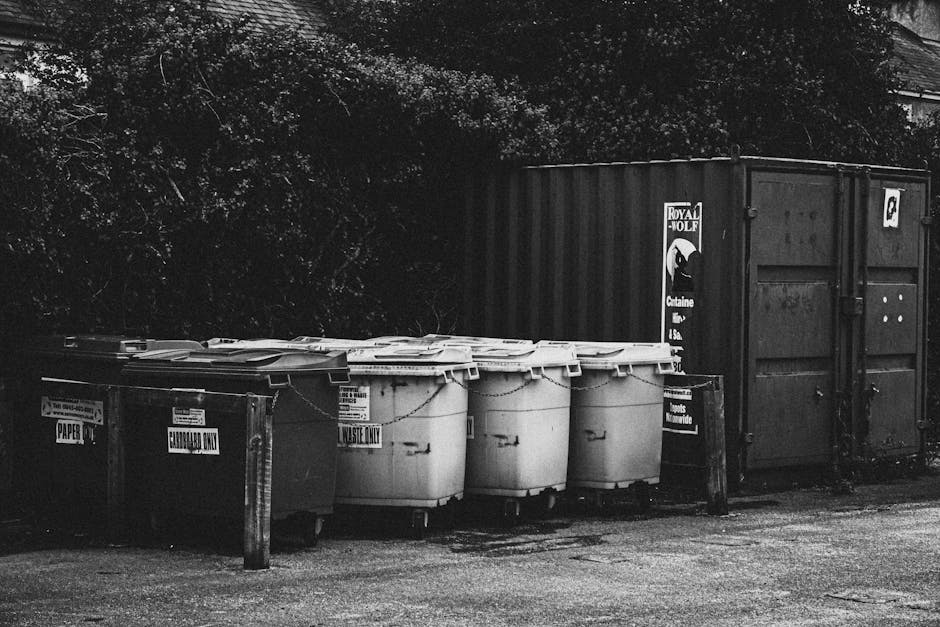
Waste rules are not just paperwork. In a busy residential area like Dulwich, a skip or a pile of mixed rubbish can become a nuisance very quickly. Think narrow roads, limited parking, school-run traffic, pedestrians stepping off the kerb, and the occasional "I'll just leave this here for an hour" attitude. That combination is exactly where problems begin.
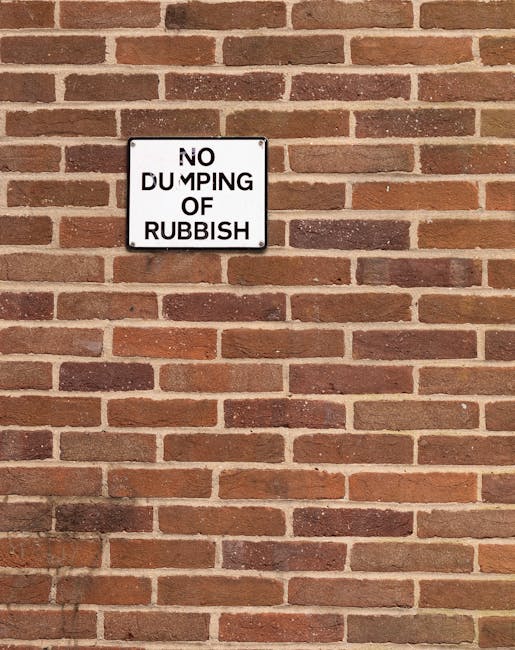
Fines and enforcement usually happen when waste is placed in the wrong location, stored too long, loaded with prohibited items, or handed to someone who is not properly dealing with it. Sometimes it is a simple misunderstanding. Sometimes it is a job rushed on a Friday afternoon because the weather turned, the van was full, and everybody wanted to be done. To be fair, it happens more than people admit.
The real risk is not only the fine. Poor disposal can create extra haulage costs, missed collection slots, blocked access, or complaints from neighbours. In a place like Dulwich, where streets can feel tight and routines matter, a messy waste setup stands out fast.
Expert summary: If you want to avoid penalties, treat skip placement, waste sorting, and collection timing as part of the job itself, not an afterthought.
That mindset saves money, time, and a fair bit of stress. It also makes the whole process feel cleaner and more professional, especially if you are moving home or managing a commercial clearance.
How Dulwich skip, waste and disposal rules work in practice
At a practical level, the rules are about three things: where the waste goes, what the waste contains, and who is responsible for it. That sounds simple. In practice, the details matter.
1. Skip placement
If a skip is going on a road, pavement, or another public-facing space, permissions may be needed. If it stays fully within private land, the process is usually simpler. Even so, access, visibility, and safe loading still matter. A skip blocking a driveway, fence gate, or sightline can become a problem very quickly.
2. Waste type and segregation
Not all waste is treated the same. General household rubbish, cardboard, garden waste, bulky furniture, rubble, plasterboard, electrical items, and hazardous materials all need different handling. Mixing the wrong things together can lead to refused loads or extra charges. Sometimes a driver will spot the issue at collection and simply not take it. That is never a fun phone call.
3. Duty of care
In the UK, waste has to be handled responsibly by whoever creates it and whoever collects it. In plain language, you should know where your waste is going and who is taking it. If you hand over waste to the wrong operator, the headache can bounce back on you. It is one of those things that sounds dry until a problem lands on your desk.
4. Timing and access
Some collections work better early in the day, especially on tighter streets where parking turns into a small sport. If your area gets busy around school runs or commuter traffic, scheduling matters more than people expect. A slot that looks fine on paper may be awkward in real life.
If you are arranging a larger move, it can help to coordinate disposal with other parts of the job. For example, a home clearance often runs more smoothly when paired with home moves support, while a business clearance may benefit from commercial moves planning. The point is not to turn everything into one big operation; it is to avoid duplicate trips and last-minute chaos.
Key benefits and practical advantages
Following the rules is about more than staying lawful. It makes the whole disposal process cleaner, cheaper, and less embarrassing. Nobody wants a skip full of the wrong stuff sitting outside for longer than necessary. It looks untidy, and frankly, it invites trouble.
- Lower risk of fines: You reduce the chance of penalties linked to illegal placement, unsafe loading, or improper disposal.
- Fewer delays: Clear sorting and sensible booking make collections smoother.
- Better cost control: Avoiding rejected loads and re-collections keeps extra charges down.
- Safer site conditions: Proper disposal reduces trip hazards, sharp edges, and blocked access.
- Less neighbour friction: A tidy approach is simply easier to live beside.
- Better for mixed projects: Home moves, office clearances, and furniture removal all become easier to manage when waste is planned properly.
There is also a quieter benefit: peace of mind. Once you know the waste is sorted and booked correctly, you can focus on the actual job instead of wondering whether someone is about to knock on the door with bad news.
If you are disposing of furniture as part of a declutter or move, a service like furniture pick up may be a simpler option than trying to manage bulky items through a standard skip load.
Who this is for and when it makes sense
This matters for more people than you might expect. In Dulwich, you may need to think about waste rules if you are:
- clearing a house before or after a move
- renovating a kitchen, bathroom, or garden
- removing old furniture or appliances
- handling office waste after a refit
- managing builders' waste from a small project
- moving a business and needing temporary disposal support
It also makes sense if you are short on time. Not everyone has a van, a loading ramp, or the patience to sort five different waste types after a long day. Truth be told, most people would rather have the job done once and done properly.
For smaller, flexible jobs, a man and van or man with van arrangement can be useful when you need help moving bulky items to the right place without overcommitting to a bigger vehicle. For larger or heavier loads, a moving truck or removal truck hire may be a better fit.
Step-by-step guidance
Here is a simple process you can follow before any skip, clearance, or disposal job in Dulwich. It is not glamorous. It works.
Step 1: Identify exactly what you need to remove
Walk through the property and list the items by type: furniture, mixed household waste, packaging, green waste, renovation debris, electronics, and anything potentially hazardous. Do not guess. Open the cupboard, check the loft, look behind the shed. The surprising stuff is usually hiding somewhere plain sight.
Step 2: Separate what can be reused, donated, or recycled
Not everything needs to be thrown away. A table with a scratch may still be usable. Cardboard, some metals, and certain clean materials may be better handled separately. The more you can sort before the collection, the easier the rest becomes.
Step 3: Check whether a skip is actually the right option
If the load is bulky but relatively clean, a skip can make sense. If you only have a few furniture pieces, a pickup service might be more practical. If the waste is spread across rooms or floors, packing and labour may matter more than raw capacity. Sometimes the cheapest-looking option is not the cheapest once you add labour and time.
Step 4: Confirm placement and access
Where will the vehicle or skip sit? Can it be reached without blocking neighbours? Is there room for turning, loading, and safe lifting? If access is awkward, tell the provider early. A tight gate or a low branch can turn a simple collection into a small disaster.
Step 5: Load carefully and legally
Do not overload the skip. Keep prohibited materials out unless they are explicitly accepted. Spread weight evenly. Keep sharp items contained. If you are unsure about something, ask before loading it. That tiny pause can save a very annoying afternoon later.
Step 6: Get the collection or disposal paperwork straight
Keep any receipts, job notes, or confirmation details. If you ever need to show that the waste was handled correctly, tidy records help. It is one of those boring habits that quietly protects you.
Step 7: Do a final sweep
Before leaving the site, check for loose debris, stray packaging, screws, and broken glass. A five-minute sweep can prevent complaints and make the space feel properly finished. You will notice the difference immediately.
Expert tips for better results
A few small decisions make a big difference here. In our experience, the people who avoid fines are not usually the ones doing anything magical. They just plan better.
- Book disposal earlier than you think: Last-minute arrangements lead to rushed decisions and poor loading.
- Keep hazardous waste separate: Paints, solvents, batteries, gas cylinders, and certain electrical items need extra care.
- Use the right size vehicle or container: Too small means repeat trips; too large can mean unnecessary cost.
- Measure access properly: Street width, height restrictions, and parking space matter more than people expect.
- Label mixed waste areas: A bit of tape and a marker pen can stop accidental mixing.
- Plan for weather: Rain changes weight, mess, and handling. Wet cardboard, in particular, becomes awful fast.
A slightly overlooked tip: keep a clear "do not load" corner. It sounds almost too simple, but it prevents banned items from being tossed in with everything else when the pace picks up.
If you are also packing for a move, professional packing and unpacking services can reduce the number of broken items and mixed waste bags you end up dealing with. That helps more than people realise.
Common mistakes to avoid
Most waste fines or problems come from avoidable errors. Here are the ones that show up again and again.
- Using the wrong location: A skip placed without proper permission or in the wrong spot can create enforcement issues.
- Mixing prohibited waste: One incorrect item can affect the whole load.
- Underestimating volume: If you cram too much into too little space, you may need a second collection.
- Ignoring access limits: A vehicle that cannot reach the site is a waste of time, literally.
- Leaving waste unsecured: Loose rubbish can blow away or spill, especially on open roads.
- Assuming "someone else will handle it": Responsibility is not always as transferred as people think.
Another common one? People keep adding items after the load has effectively been planned. A couple of extra chairs, a broken desk drawer, a bag of odds and ends... and suddenly the job no longer fits the original arrangement. Small additions are how simple jobs become expensive. Bit annoying, but very true.
Tools, resources and recommendations
You do not need a complicated system. A few practical tools are usually enough.
- Tape measure: Useful for checking skip placement, vehicle access, and bulky furniture sizes.
- Marker labels: Helpful for separating keep, donate, recycle, and dispose piles.
- Heavy-duty gloves: Good for broken edges, old shelving, and rough cardboard.
- Basic camera or phone photos: Handy for documenting the load before collection.
- Tarpaulin or covers: Useful in wet weather or where dust is a problem.
For larger jobs, it can help to compare the support you need. A home declutter may need a vehicle and a few hands. A business move may need a fuller plan and fewer interruptions. If you are dealing with an office or shop clearance, office relocation services can reduce disruption and keep the disposal side organised. If the project is broader, see whether house removalists are a better match for the overall load and timing.
If you are unsure what service best fits your situation, the simplest route is often to discuss the load, access, and timing early rather than guessing. That one conversation can save a lot of back-and-forth later.
Law, compliance, standards and best practice
Waste disposal in the UK is governed by a mix of general legal duties and practical site rules. You do not need to memorise legislation to act responsibly, but you do need to understand the basic shape of the obligations. The key ideas are simple: do not dump waste unlawfully, do not misrepresent what you are handing over, and make sure the waste goes to an appropriate destination.
For homeowners, that means using reputable collection methods, keeping control of what is loaded, and being careful about who takes it away. For businesses, the expectation is even stricter because commercial waste carries clearer record-keeping and accountability needs. If waste is generated during business activity, treat it as a proper business process, not an afterthought hidden behind the back door.
Best practice also includes safe lifting, sensible segregation, and keeping public areas clean. In Dulwich, where roads and pavements can be busy and space is often limited, this is less about being fancy and more about being decent to everybody else around you. A tidy site speaks for itself.
If you are booking waste-related help, always check the terms and conditions of the service so you understand what is included, what is excluded, and what happens if the load changes on the day. You can also review the company's terms and conditions and privacy policy if you want to know how your booking details are handled.
Options, methods and comparison table
Different waste situations call for different approaches. Here is a simple comparison to help you choose without overthinking it.
| Option | Best for | Strengths | Watch-outs |
|---|---|---|---|
| Skip hire | Mixed bulky waste, renovation debris, larger clear-outs | Good capacity, easy onsite access, straightforward loading | Placement rules, permit needs, incorrect loading |
| Man and van collection | Smaller clear-outs, furniture, flexible loads | More flexible, often easier for access, practical for odd items | Less space than a skip, may require quicker sorting |
| Moving truck | Bulk moves with disposal or relocation together | Useful for bigger household or commercial loads | Needs better access and planning |
| Removal truck hire | Larger or structured disposal projects | Good for transport-heavy jobs and bigger volume | Can be more than you need for a small job |
Choosing the right method is mostly about matching the load to the job. A small pile of furniture probably does not need a full skip. A loft full of mixed renovation waste probably does. Common sense wins, which is refreshing, really.
Case study or real-world example
Imagine a typical Dulwich household getting ready for a move. There is an old wardrobe in the bedroom, flattened boxes in the hallway, a broken garden chair, some leftover shelf timber, and a few bags of general rubbish from the declutter phase. Nothing dramatic. Just a lot of small things that do not look like much on their own, but somehow fill a room when grouped together.
The first instinct might be to throw everything into one large container or leave it for "later." That is where trouble starts. Instead, the household sorts the load into three rough groups: reusable furniture, recyclable cardboard and clean timber, and general waste. The wardrobe is booked separately for collection. The cardboard is flattened and stacked. The rest is cleared in a planned pickup. The result is cleaner, quicker, and far less stressful.
Now compare that with a rushed version: items piled outside in wet weather, mixed with plasterboard offcuts, a couple of broken glass lamps, and no clear collection plan. That job is more likely to trigger an issue, cost extra, or be partially refused. Same street, same house, very different outcome. It is usually the organisation that decides the mood of the day.
If the move is bigger and involves storage, house clearance, or transport across more than one day, it may make sense to coordinate with a wider move plan rather than treat disposal as a separate scramble.
Practical checklist
Use this before booking or loading anything.
- Have I listed every item that needs disposal?
- Have I separated reusable, recyclable, and general waste?
- Do I know whether any items are hazardous or restricted?
- Is the skip, truck, or van the right size for the job?
- Have I checked access, parking, and placement carefully?
- Do I understand what can and cannot go into the load?
- Have I confirmed collection timing and any on-site restrictions?
- Do I have gloves, labels, and basic tools ready?
- Have I kept receipts or booking notes for records?
- Have I done a final sweep for loose debris?
If you can tick most of those boxes, you are already ahead of the average rushed clearance. Small effort, big difference.
Conclusion
Avoiding fines in Dulwich is not really about memorising a mountain of rules. It is about making a few sensible decisions early: choose the right disposal method, keep waste types separate, respect access and placement limits, and work with a clear plan. That is the whole thing, more or less.
When you handle skip, waste and disposal rules properly, the job becomes calmer. The street stays tidy. Neighbours stay happier. You spend less time chasing mistakes and more time getting on with your move, renovation, or clearance. That is a good trade.
And if the job feels bigger than one person can manage, that is fine too. Plenty of people in Dulwich find that a bit of support turns a heavy, awkward day into something manageable. Sometimes the smartest move is simply asking for help before the mess gets louder.
Get a free quote today and see how much you can save.
Frequently Asked Questions
Do I need permission to place a skip in Dulwich?
If the skip is going on private property, permission may be simpler. If it is going on a road, pavement, or other public space, you may need approval first. The exact requirement depends on location and access, so check before the skip arrives.
What waste items are usually not allowed in a standard skip?
Common restricted items include hazardous waste, certain electrical items, gas cylinders, liquids, batteries, and some materials that need special handling. If in doubt, ask before loading it. That small check can save a lot of hassle.
Can I mix garden waste with general rubbish?
Sometimes mixed waste is accepted, but it can affect pricing and recycling options. Clean separation is usually better if you want a smoother, more cost-effective collection. Wet garden waste also gets heavy fast, which catches people out.
What is the best option for a few bulky furniture items?
A furniture pickup or van-based collection is often better than hiring a large skip. It is usually simpler, quicker, and easier to match to the actual amount you need removed.
How do I avoid fines for waste disposal in a residential area?
Use the correct collection method, keep waste within the agreed load, avoid blocked pavements or roads, and make sure prohibited items are handled separately. Most fines happen because of avoidable planning mistakes.
Is a man and van service suitable for disposal jobs?
Yes, for smaller or flexible loads it can be a practical choice. It is especially helpful when you have a few bulky items, awkward access, or a load that does not justify a larger vehicle.
What should businesses in Dulwich do differently from households?
Businesses should be more careful about record-keeping, duty of care, and waste segregation. Commercial waste is usually expected to be handled in a more structured way, especially during office moves or refurbishments.
How far in advance should I arrange disposal or skip hire?
Earlier is better, especially if access is tight or the area gets busy. A few days' notice can make a real difference, and for larger jobs it is worth planning even sooner.
Can I put renovation waste into the same load as household clutter?
Sometimes yes, but it depends on the load type and what materials are involved. Heavy rubble, plasterboard, and mixed building waste may need separate handling or special arrangements.
What records should I keep after disposal?
Keep booking confirmations, receipts, and any notes about the load type and collection date. If there is ever a question later, those details can help show the waste was handled properly.
What is the main mistake people make when trying to save money?
They often choose the cheapest-looking option without checking the actual waste type, access, or restrictions. Then they pay more through delays, rejected loads, or a second collection. It is a classic false economy.
Who should I contact if I am unsure what service I need?
If you are unsure, it is usually best to speak with a provider that can look at the load, access, and timing together. The right advice upfront can stop a small job becoming a messy one.